When it comes to fly fishing, choosing the right fly line can significantly impact your experience on the water. Understanding the difference between shooting taper and weight forward fly line is essential for optimizing your casting distance and accuracy. I often find that selecting the correct taper can mean the difference between a successful day on the river or a frustrating one.
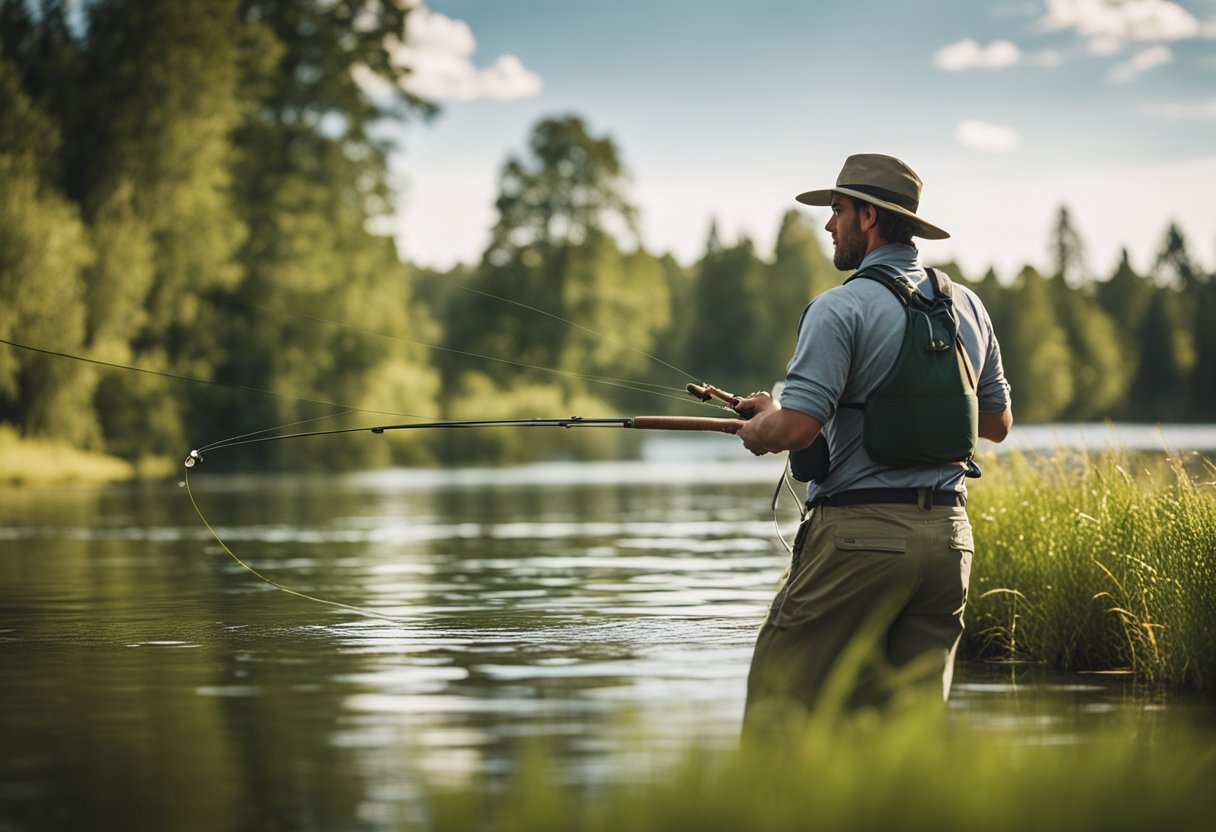
Shooting taper fly lines excel in distance casting, allowing me to deliver my flies far with less effort. This makes them particularly advantageous when targeting fish in wide rivers or open saltwater environments. For trout fishing, utilizing a shooting taper with the right weight can enhance my ability to present flies delicately and effectively, even in turbulent currents.
In saltwater fishing, a shooting taper fly line can improve not only distance but also precision. The design of these lines helps them cut through wind and reach fish that are farther out. By mastering these types of lines, I can elevate my fly fishing game and improve my chances of landing substantial catches.
Fundamentals of Fly Line Design
Fly line design is critical for achieving optimal performance during casting and retrieval. Key aspects such as line taper and material innovations play significant roles in how effectively a line functions in various fishing scenarios.
Understanding Line Taper
Line taper refers to how the thickness of the fly line changes along its length. There are several types of tapers, including double taper (DT) and weight forward (WF).
- Double Taper (DT): This design maintains a uniform diameter in the belly with tapered ends. It allows for delicate presentations and roll casts.
- Weight Forward (WF): This taper is heavier at the front, facilitating longer casts and making it ideal for windy conditions.
Each taper configuration affects casting distance and accuracy. For instance, a front taper helps in smooth loading of the rod, while a rear taper ensures a gradual transition that aids in line control.
Material and Coating Innovations
Modern fly lines incorporate advanced materials and coatings to enhance performance. Companies like Rio, Orvis, and Airflo utilize proprietary technologies.
These innovations include:
- PVC coatings that improve durability and casting distance.
- Shooting tapers, designed for longer casts with minimal friction in guides.
Additionally, lines may feature different sink rates to suit varying environments, from floating lines for surface fishing to sinking lines for deeper water. The latest lines often include enhancements for UV resistance and improved slickness.
Such advancements allow for better handling in various fishing conditions, ensuring a more effective fishing experience.
Specifics of Shooting Taper Fly Lines
Shooting taper fly lines are essential for anglers looking to enhance their casting distance and accuracy. I will explore the differences between shooting taper and weight forward lines, as well as their applications in trout fishing and saltwater environments.
Shooting Taper vs Weight Forward Fly Lines
Shooting taper lines focus on long-distance casting capabilities. These lines typically feature a thick front taper and a thin running line, allowing for efficient energy transfer during casting.
Key Characteristics:
- Shooting head: The front section is often heavier, enabling better load and quick turnover.
- Running line: The thinner component improves line control and reduces friction.
Weight forward lines, while versatile, are less efficient for long casts. They maintain a consistent thickness, which can limit distance when compared to the tapering profile of shooting taper lines.
Maximizing Distance with Shooting Taper Lines
To maximize distance when using shooting taper lines, employing proper casting techniques is crucial. I find that accuracy hinges on line control and maximizing the energy of the cast.
Techniques for Distance:
- Backcasting: Ensure a strong backcast to load the rod properly.
- Roll casts: These are effective when obstacles are present, allowing for smooth transitions.
Utilizing a longer leader with a shooting taper line can further facilitate delicate presentations, particularly when targeting species like trout in clear waters.
Selecting a Shooting Taper Line for Trout
When selecting a shooting taper line for trout fishing, consider the water type and presentation style. I recommend using a line that matches the target species and conditions.
Important Factors:
- Leader length: Longer leaders create finer presentations, crucial for wary trout.
- Taper profile: Utilize a softer taper to enhance accuracy and minimize spooking fish.
A shooting taper line can help deliver flies accurately to specific locations, even in challenging currents or windy conditions.
Shooting Taper Lines for Saltwater Fishing
In saltwater environments, shooting taper lines are particularly advantageous for targeting species like bonefish and tarpon. These fish often require longer distance casts and quick retrieves.
Key Benefits:
- Distance and accuracy: Essential for casting into the wind and targeting moving fish.
- Thinner running line: Provides better line management and faster reloading on casts.
The ability to execute rapid casts with precision boosts my chances of successful hookups. Employing shooting taper lines in saltwater settings enhances overall fishing efficiency.
Advanced Fly Line Techniques and Applications
In fly fishing, mastering advanced techniques can significantly improve my effectiveness on the water. Key aspects include mending for better line control, roll casting with various fly lines, and tactical strategies for nymphing and fishing dries.
The Art of Mending and Line Control
Mending is crucial for maintaining a drag-free drift. I position my fly line upstream to adjust the tension on my rod. This creates a natural presentation for my flies, especially in moving water.
I use mending techniques in lakes as well, paying attention to wind and current. A proper mend allows the fly to stay in the strike zone longer. I focus on timing and positioning for optimum line control, ensuring my presentation is as realistic as possible.
Roll Casting with Different Fly Lines
Roll casting becomes essential when space is limited. This technique allows me to cast without needing to backcast, perfect for tight situations. With a double taper line, I find it easier to load the rod and make accurate, short casts.
When using a weight forward floating line, I adjust my technique slightly. I emphasize a quick flick of the wrist to achieve distance while maintaining accuracy. Using the right line for the situation can make all the difference in my casting efficiency.
Tactics for Nymphing and Fishing Dries
Nymphing requires precise depth control. I often adjust my tippet length based on water depth and current speed. A longer tippet can help my flies sink more effectively in lakes or slower-moving rivers.
For fishing dries, I maintain focus on the presentation. Dry flies must float true on the surface to entice fish. I regularly check for drag and use subtle mends to keep my line straight and my flies visible.
These advanced techniques combine to enhance my fly fishing experience, allowing for greater success on the water.