所有由Jared Tuck发布的文章

Fly Line: Choosing Between Shooting Taper and Weight Forward for Maximum Performance

When it comes to fly fishing, choosing the right fly line can significantly impact your experience on the water. Understanding the difference between shooting taper and weight forward fly line is essential for optimizing your casting distance and accuracy. I often find that selecting the correct taper can mean the difference between a successful day on the river or a frustrating one.
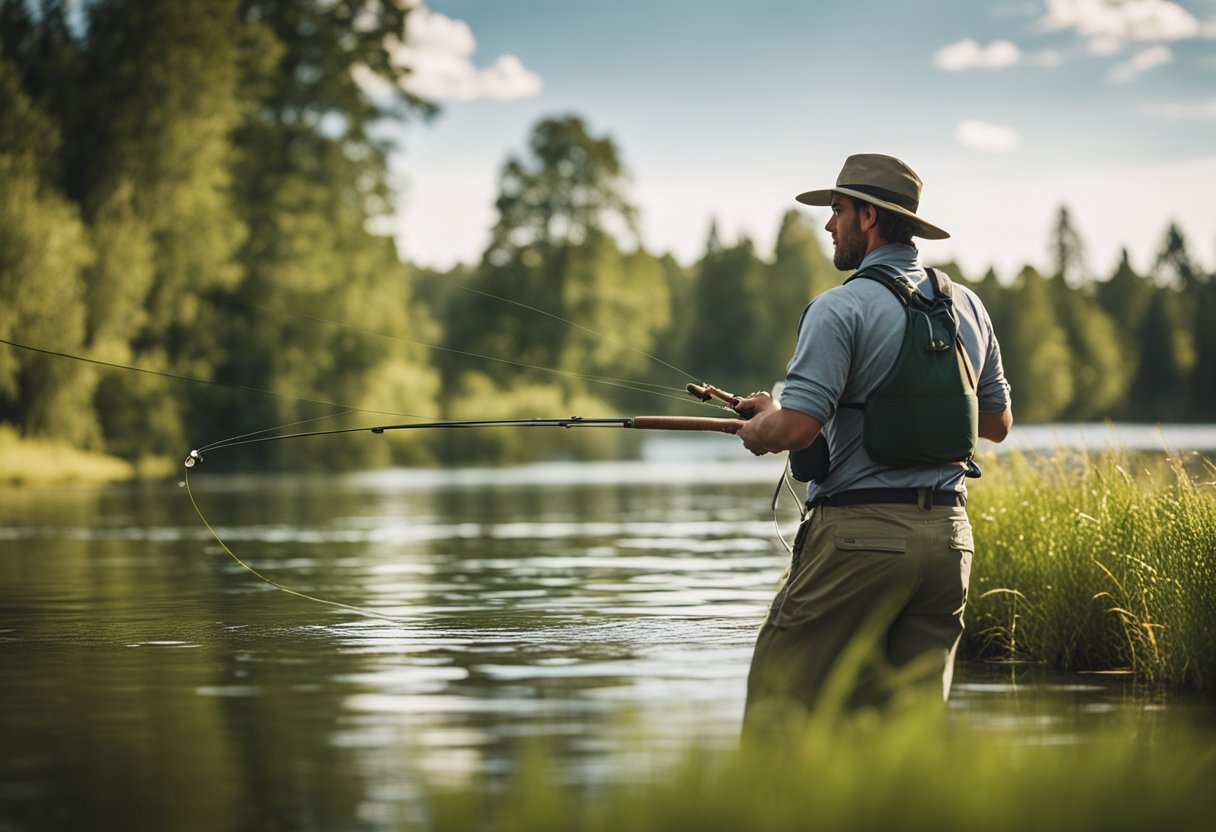
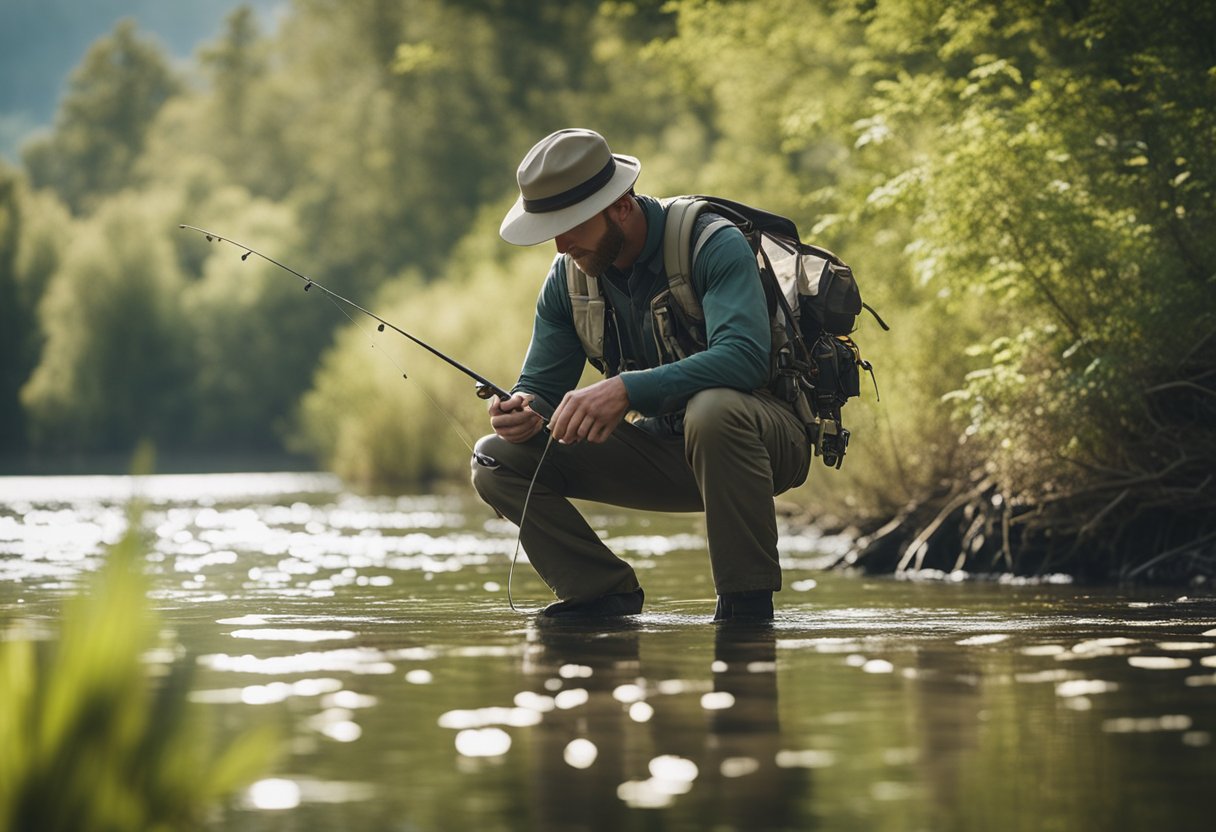
A fly fisherman casting a shooting taper fly line for distance

Shooting taper fly lines excel in distance casting, allowing me to deliver my flies far with less effort. This makes them particularly advantageous when targeting fish in wide rivers or open saltwater environments. For trout fishing, utilizing a shooting taper with the right weight can enhance my ability to present flies delicately and effectively, even in turbulent currents.

In saltwater fishing, a shooting taper fly line can improve not only distance but also precision. The design of these lines helps them cut through wind and reach fish that are farther out. By mastering these types of lines, I can elevate my fly fishing game and improve my chances of landing substantial catches.

Fundamentals of Fly Line Design

Fly line design is critical for achieving optimal performance during casting and retrieval. Key aspects such as line taper and material innovations play significant roles in how effectively a line functions in various fishing scenarios.

Understanding Line Taper

Line taper refers to how the thickness of the fly line changes along its length. There are several types of tapers, including double taper (DT) and weight forward (WF).

  • Double Taper (DT): This design maintains a uniform diameter in the belly with tapered ends. It allows for delicate presentations and roll casts.
  • Weight Forward (WF): This taper is heavier at the front, facilitating longer casts and making it ideal for windy conditions.

Each taper configuration affects casting distance and accuracy. For instance, a front taper helps in smooth loading of the rod, while a rear taper ensures a gradual transition that aids in line control.

Material and Coating Innovations

Modern fly lines incorporate advanced materials and coatings to enhance performance. Companies like Rio, Orvis, and Airflo utilize proprietary technologies.

These innovations include:

  • PVC coatings that improve durability and casting distance.
  • Shooting tapers, designed for longer casts with minimal friction in guides.

Additionally, lines may feature different sink rates to suit varying environments, from floating lines for surface fishing to sinking lines for deeper water. The latest lines often include enhancements for UV resistance and improved slickness.

Such advancements allow for better handling in various fishing conditions, ensuring a more effective fishing experience.

Specifics of Shooting Taper Fly Lines

Shooting taper fly lines are essential for anglers looking to enhance their casting distance and accuracy. I will explore the differences between shooting taper and weight forward lines, as well as their applications in trout fishing and saltwater environments.

Shooting Taper vs Weight Forward Fly Lines

Shooting taper lines focus on long-distance casting capabilities. These lines typically feature a thick front taper and a thin running line, allowing for efficient energy transfer during casting.

Key Characteristics:

  • Shooting head: The front section is often heavier, enabling better load and quick turnover.
  • Running line: The thinner component improves line control and reduces friction.

Weight forward lines, while versatile, are less efficient for long casts. They maintain a consistent thickness, which can limit distance when compared to the tapering profile of shooting taper lines.

Maximizing Distance with Shooting Taper Lines

To maximize distance when using shooting taper lines, employing proper casting techniques is crucial. I find that accuracy hinges on line control and maximizing the energy of the cast.

Techniques for Distance:

  1. Backcasting: Ensure a strong backcast to load the rod properly.
  2. Roll casts: These are effective when obstacles are present, allowing for smooth transitions.

Utilizing a longer leader with a shooting taper line can further facilitate delicate presentations, particularly when targeting species like trout in clear waters.

Selecting a Shooting Taper Line for Trout

When selecting a shooting taper line for trout fishing, consider the water type and presentation style. I recommend using a line that matches the target species and conditions.

Important Factors:

  • Leader length: Longer leaders create finer presentations, crucial for wary trout.
  • Taper profile: Utilize a softer taper to enhance accuracy and minimize spooking fish.

A shooting taper line can help deliver flies accurately to specific locations, even in challenging currents or windy conditions.

Shooting Taper Lines for Saltwater Fishing

In saltwater environments, shooting taper lines are particularly advantageous for targeting species like bonefish and tarpon. These fish often require longer distance casts and quick retrieves.

Key Benefits:

  • Distance and accuracy: Essential for casting into the wind and targeting moving fish.
  • Thinner running line: Provides better line management and faster reloading on casts.

The ability to execute rapid casts with precision boosts my chances of successful hookups. Employing shooting taper lines in saltwater settings enhances overall fishing efficiency.

Advanced Fly Line Techniques and Applications

In fly fishing, mastering advanced techniques can significantly improve my effectiveness on the water. Key aspects include mending for better line control, roll casting with various fly lines, and tactical strategies for nymphing and fishing dries.

The Art of Mending and Line Control

Mending is crucial for maintaining a drag-free drift. I position my fly line upstream to adjust the tension on my rod. This creates a natural presentation for my flies, especially in moving water.

I use mending techniques in lakes as well, paying attention to wind and current. A proper mend allows the fly to stay in the strike zone longer. I focus on timing and positioning for optimum line control, ensuring my presentation is as realistic as possible.

Roll Casting with Different Fly Lines

Roll casting becomes essential when space is limited. This technique allows me to cast without needing to backcast, perfect for tight situations. With a double taper line, I find it easier to load the rod and make accurate, short casts.

When using a weight forward floating line, I adjust my technique slightly. I emphasize a quick flick of the wrist to achieve distance while maintaining accuracy. Using the right line for the situation can make all the difference in my casting efficiency.

Tactics for Nymphing and Fishing Dries

Nymphing requires precise depth control. I often adjust my tippet length based on water depth and current speed. A longer tippet can help my flies sink more effectively in lakes or slower-moving rivers.

For fishing dries, I maintain focus on the presentation. Dry flies must float true on the surface to entice fish. I regularly check for drag and use subtle mends to keep my line straight and my flies visible.

These advanced techniques combine to enhance my fly fishing experience, allowing for greater success on the water.
Fly Line: Comparing Shooting Head and Weight Forward Options for Every Budget

Choosing the right fly line can significantly enhance my fly fishing experience. Understanding the differences between shooting head and weight forward fly lines allows me to make informed decisions based on my fishing conditions and personal casting style. Each type has its advantages, and selecting the best one can affect my accuracy and distance when casting.

A fly line shooting head and weight forward fly line are compared, with budget options displayed

For those on a budget, I have discovered several weight forward fly line options that deliver good performance without breaking the bank. These affordable choices allow me to maintain quality in my gear while still enjoying the sport. Additionally, I find that proper maintenance of my weight forward lines is essential to ensure longevity and optimal performance.

When targeting small streams, a weight forward fly line can be particularly effective. Its design supports accurate casts in tight spaces, helping me present my flies more precisely to wary fish. By exploring these aspects, I aim to refine my skills and enhance my overall fishing adventures.

Understanding Fly Line Types and Tapers

In my experience, knowing the different types of fly lines and their tapers can significantly enhance your casting technique and effectiveness on the water. This section explores key differences between shooting heads and weight forward lines, as well as the functional aspects of double taper and weight forward lines.

Comparing Shooting Heads and Weight Forward Fly Lines

Shooting heads are designed for distance casting and energy transfer, featuring a heavier front section and a lightweight running line. This setup allows for quick turnover and long-distance casts, making it ideal for bigger flies and windier conditions. The transition from head to running line can hinder accuracy for beginners.

In contrast, weight forward (WF) lines have a gradual taper that maintains consistent energy throughout the cast. WF lines feature a heavier front taper, designed for a balanced presentation of flies. This taper allows for delicate presentations, making them suitable for various fishing situations, from small streams to still waters.

Functional Differences Between DT and WF Lines

Double taper (DT) lines feature a uniform diameter throughout most of their length, tapering at both ends. This design provides versatility, as you can use either end for casting. DT lines excel in delicate presentations, making them favorable for targeting spooky fish in calm waters. They also allow for more effective roll casts and are less affected by wind.

Weight forward lines, with their distinctive front taper, concentrate weight at the tip. This is advantageous when casting into the wind or when employing techniques that require quick turnover. The front taper provides ample power for longer casts, while the rear taper improves control on shorter distances.

In summary, the choice between DT and WF lines depends on specific fishing conditions and personal preferences regarding casting style.

Selection and Use of Weight Forward Lines

Choosing and using weight forward fly lines effectively can enhance your fishing experience significantly. Understanding budget options, maintenance routines, and specific applications for small streams is essential for maximizing performance.

Budget-Friendly WF Line Options

When selecting a weight forward fly line on a budget, I often consider options from reputable tackle manufacturers like Cortland, Orvis, and Rio Gold. These brands offer reliable lines that won’t break the bank. I focus on plastic fly lines with good slick coatings, which improve casting efficiency.

Many budget lines deliver decent performance for trout fishing. Look for features such as a dust-free finish and an optimal running line diameter. It is important not to overlook the warranty and customer feedback for added assurance on quality and durability.

WF Line Maintenance for Longevity

Proper maintenance is crucial for extending the life of my weight forward lines. I make it a habit to rinse my fly lines with fresh water after each use to remove dirt and salt residue. This can prevent buildup, which damages the coating over time.

I regularly check for nicks or abrasions. For cleaning, I use a gentle line cleaner formulated for fly lines. After cleaning, I apply a line conditioner to maintain the slickness, ensuring smooth casting. Storing lines properly—coiled loosely in a dry, cool place—also helps prevent unwanted kinks or twists.

Optimizing WF Lines for Small Streams

Using weight forward lines in small streams requires specific techniques. I often opt for shorter lengths and lighter weights. These setups allow for more delicate presentations, crucial for spooking easily intimidated trout.

I tend to modify my casting technique to accommodate tight spaces, using roll casts or sidearm techniques to maintain control. Additionally, adjusting the leader length and tippet size can enhance my ability to present flies effectively. Selecting a line that facilitates gentle turnover is key to avoiding splash.

By focusing on these aspects, I can optimize my equipment and technique for success in small stream fishing scenarios.

Maximizing Performance with Fly Line Features

Selecting the right fly line features is crucial for optimizing performance on the water. Attention to line weight, head length, and specialty lines can enhance your casting distance and presentation for various techniques.

Choosing the Right Line Weight and Head Length

When I select a fly line, line weight is fundamental to match with my fly rod. The AFTMA system provides guidelines to ensure compatibility. Using the correct weight ensures that the rod loads properly for accurate casting.

Head length also plays a vital role. A longer head is beneficial for distance casting, especially in stillwater or lake fishing scenarios. In contrast, a shorter head improves line control in tighter spaces, which is essential for nymphing or casting weighted flies. Adjusting these variables helps me adapt to changing conditions on the water.

Utilizing Specialty Lines for Nymphing and Streamers

For specific techniques, I often turn to specialty lines designed for nymphing and streamers. Nymphing lines may feature a more extended front taper to facilitate delicate presentations. This allows the nymphs to drift naturally at varying depths.

When targeting streamers, I use weight forward lines with sink tips or polyleaders. These features help get the flies down quickly and effectively. Combining the weight of the line with the buoyancy of the flies ensures they reach the desired depth, enticing fish and increasing my success rate.

Fly Line: A Guide to Choosing the Best Sinking Fly Line for Trout

Choosing the right fly line is crucial for successful fly fishing, and when targeting trout, a sinking fly line can make all the difference in your catch rate. I have found that understanding the types of sinking lines available can significantly enhance my fishing experience. This article will guide you through the best options for sinking fly lines and help you decide when to use them over floating lines.

A fly line sinking into a clear river, surrounded by jumping trout

When I first started fly fishing, the distinction between sinking and floating lines puzzled me. Sinking lines are designed to reach deeper areas where fish often dwell, making them essential for targeting trout in varying water depths. Additionally, I’ll share insights on how to select the right sinking fly line for your specific fishing conditions and preferences.

In this exploration, I will compare sinking and floating fly lines, highlighting their advantages and appropriate applications. By the end of this article, you will feel more confident in your ability to choose the best sinking fly line for trout fishing and improve your casting techniques.

Understanding Fly Lines

Fly lines are crucial components of fly fishing, influencing casting and presentation. Each type of fly line serves distinct roles in various fishing conditions, especially when targeting specific species like trout.

Fly Line Types and Their Uses

There are several fly line types, each designed for different fishing scenarios. The main categories include:

  • Floating Lines: Best for surface fishing. They keep flies on the water’s surface, perfect for dry flies and poppers.
  • Sinking Lines: Ideal for deep water. Sinking fly lines can further be divided into:
    • Full Sinking Lines: These lines sink at a consistent rate, getting your flies deeper quickly.
    • Sink-Tip Lines: They have a sinking tip attached to a floating body, allowing for versatile presentations in varying depths.
    • Intermediate Lines: They sink slowly and are best in conditions where fish are just under the surface.

Choosing the right line type impacts success, especially in adapting to changing water conditions.

Material and Construction of Fly Lines

The construction and materials determine a fly line’s performance and durability. Most lines consist of a PVC outer coating, making them resilient against wear and tear. Here are key components:

  • Core Material: Usually monofilament or braided, affecting the line’s stiffness and sensitivity.
  • Taper Design: Lines can feature different tapers:
    • Weight Forward Taper: This design helps in casting distance, concentrating weight at the front.
    • Double Taper (DT): Useful for delicate presentations, it allows both ends to be used.

Well-known brands like Airflo, Rio, and Scientific Anglers each offer quality lines, such as Airflo Ridge for enhanced performance and Rio Gold for versatility. The right combination of material and taper significantly impacts your fishing experience.

Selecting the Right Sinking Fly Line

Choosing a sinking fly line requires careful consideration of various factors including the sink rate, line weight, and compatibility with your fly rod and reel. Each element plays a crucial role in successful fishing, especially when targeting specific species like trout. Here’s what I focus on when selecting a sinking line.

How to Choose a Sinking Fly Line

When selecting a sinking fly line, I first consider the weight of the line. It should match the weight of my fly rod for optimal casting performance. Sinking lines come in different sink rates, such as slow, medium, and fast. A slow sink rate is ideal for shallow water, while a fast sink rate works better in deeper conditions.

Next, I examine the line taper. A weight forward (WF) taper enhances casting distance and accuracy, especially in windy conditions. I also assess the leader I will use; a tapered leader allows for better turnover of the fly during presentation.

Lastly, I evaluate the fishing situations I anticipate. For example, if I’m fishing in still water or moving water, the type of sink I choose can be crucial for successfully getting my fly into the strike zone.

Sinking Line vs Floating Line Considerations

Sinking lines differ significantly from floating lines, and understanding these differences is essential. Floating lines keep your fly on or near the water’s surface, while sinking lines allow for deeper presentations.

When targeting fish like trout that feed at various depths, I often switch lines based on water conditions. A sinking line may be needed in deeper areas or when fish are holding just off the bottom. It’s also important to consider handling—sinking lines can be heavier and less manageable than floating lines, affecting casting performance.

If I’m fishing in variable depths, I might alternate between sinking and floating lines. The selection hinges on current conditions, the targeted fish species, and my preferred technique.

Matching Sinking Lines with Fly Rods and Reels

When I choose a sinking fly line, the compatibility with my fly rod and reel is paramount. My fly rod’s line weight rating should align with the sinking line to ensure proper casting. An under-weighted line can lead to poor performance, while an over-weighted line may cause fatigue.

The fly reel also plays a role in line selection. I ensure my reel can handle the line’s diameter and weight for smooth retrieval. I prefer reels with reliable drag systems that will manage the line well during catches.

Consideration of fly line tapers is another vital factor. A line’s taper impacts how well it loads the rod and transmits energy during casting. I often opt for lines with a front-heavy taper when fishing in windy conditions to achieve better distance and accuracy.

Techniques and Tips for Sinking Lines

Using sinking fly lines effectively requires specific techniques tailored to different fishing conditions. I find that mastering casting, presentation, and understanding the environment plays a critical role in success.

Effective Casting with Sinking Lines

When casting with sinking lines, I prioritize distance and accuracy to reach the ideal depth. Longer, deliberate casts often keep the line in the water longer, allowing it to sink properly. Double haul techniques can enhance line speed, resulting in better distance.

I adjust my casting angle based on wind and target areas, such as weed beds or drop-offs. This approach helps me avoid obstacles while placing my flies where fish are likely to be. Practicing in different conditions improves my adaptability and effectiveness.

Presentation and Mending with Sinking Lines

Presentation is crucial when using sinking lines, especially with streamers and nymphs. I allow the line to sink fully before beginning my retrieve to ensure that my flies reach the fish’s level.

Mending is equally important; I often lift the rod tip or use subtle hand motions to ensure my line drifts naturally. This technique prevents drag and encourages a more lifelike presentation. I pay attention to the water’s current, adapting my mending techniques accordingly.

Targeting Different Fishing Environments

In lakes, I focus on structures like drop-offs and weed beds when targeting fish with sinking lines. Open water can offer opportunities for larger streamers, which I retrieve steadily.

In rivers, I look for deeper holes and fast riffles, adjusting my retrieve speed to match current conditions. For slower waters, I prefer using nymphs. Being aware of my environment allows me to maximize effectiveness, making each fishing situation unique.

Sinking Fly Line Recommendations

A trout rising from the depths to strike a fly as it sinks through the water column

In my experience, selecting the right sinking fly line is crucial for targeting specific fish species effectively. Below, I detail recommendations suited for different species and provide insights specifically for trout fishing.

Best Sinking Fly Line for Different Species

For targeting salmon, I recommend the Rio InTouch Outbound Short. Its body design aids in casting heavier flies while maintaining sensitivity. The Scientific Anglers Sonar Sinking Tip is also excellent due to its versatility and ability to reach various depths quickly.

When fishing for brown trout, a SAGE Spectrum MAX line works well. It provides a smooth transition in the water and pairs effectively with weighted flies like streamers or buggers.

Each line serves distinct environments, ensuring adaptability whether I’m fishing fast currents or still waters.

Sinking Fly Line for Trout Fishing

When targeting trout, especially in lakes or deep rivers, I prefer a Type III sinking line. This line sinks at approximately 3-5 inches per second, enabling me to effectively present flies to depth-oriented fish. A good option is the Airflo Depth Finder, known for its consistent sinking action.

Using a weighted fly can enhance the setup’s effectiveness. I often pair these lines with streamer patterns that mimic rising fish. Adjusting the retrieve speed can further entice fish, making it essential to match the line to the fishing conditions and the behavior of the trout.

Choosing the right sinking fly line enhances my success on the water. Each line recommendation is tailored to specific conditions and species, allowing for a more focused approach while fishing.

Fly Line: Essential Loop Connectors for Various Fishing Conditions

When it comes to fly fishing, the right loop connector can significantly affect my success on the water. Choosing the best loop connector for windy conditions can help maintain accuracy and control, making it essential to navigate challenging environments. I find that certain connectors can enhance my ability to deliver streamers effectively, offering versatility for various fishing scenarios.

A fly line being connected to a loop connector for streamer fishing in windy conditions

In addition, I pay close attention to the type of loop connector I use for delicate presentations. For cold water species, specific connectors can improve line sensitivity and responsiveness, which is crucial for enticing fish. Likewise, for warm water species, selecting the right connector ensures I remain adaptable and effective, regardless of the conditions.

Understanding the unique qualities of various connectors allows me to tailor my approach, leading to better outcomes on the water. With this knowledge, I can increase my chances of a successful day out fishing.

Essentials of Fly Line and Leader Connections

In fly fishing, the connection between the fly line and the leader is crucial for performance and efficiency. A solid understanding of loop-to-loop connections and appropriate knot selection enhances my fishing experience and improves my chances of landing fish.

Understanding Loop-to-Loop Connections

Loop-to-loop connections are essential for attaching my leader to the fly line. This method allows for quick changes between different leaders, making it versatile. I favor braided loops and welded loops for seamless connections.

Braided loops offer flexibility and strong attachment points, while welded loops provide a streamlined option, reducing tangles. Both types ensure I can maintain the integrity of my line during a fight.

Creating a perfection loop at the end of my leader facilitates easy attachment to the fly line. This knot provides a strong, reliable hold and allows for a smooth transition in my casting.

The Importance of Knot Selection

Knot selection significantly impacts performance in fly fishing. Using the right knot can make a difference in my casting accuracy and overall success. For connecting the leader to the fly line, I often use the nail knot or blood knot.

The nail knot is ideal for connecting a fly line to a tapered leader. This knot maintains the strength of the line while allowing for a smooth flow through guides. The blood knot, on the other hand, is perfect for tying two lines of similar diameter together.

By mastering these knots, I enhance not only my connection but also my confidence on the water. Properly executed knots ensure that I minimize breakage and maximize my fishing opportunities.

Loop Connectors for Diverse Fishing Conditions

Selecting the right loop connector can significantly impact fishing performance across different conditions. Wind, water temperature, and species specificity all play crucial roles in this choice. Here are tailored strategies for optimizing loop connectors in varying environments.

Strategies for Windy Conditions

When fishing in windy conditions, I prioritize loop connectors that provide stability and reduce line tangles. Heavy-duty connectors made from durable materials are essential. I find that using a closed-loop system adds weight, helping the line cut through the wind more effectively.

To enhance performance, I also opt for shorter leaders. This minimizes the surface area affected by gusts, ensuring better control. Additionally, using a wider loop can improve casting distance by allowing for a smoother line passage through the guides. These choices make a noticeable difference when battling strong winds.

Adapting to Cold Water Environments

In cold water, my focus shifts towards materials that maintain flexibility, preventing stiffness in low temperatures. Fluorocarbon loop connectors are my go-to because they retain their shape and strength even in frigid conditions.

I pay attention to the fly line taper, as this impacts presentation. A more delicate taper allows for smoother, lighter delivery of flies, which is essential when fish are less aggressive in colder temperatures. Maintaining stealth is another key factor, so I choose connectors that minimize visibility without sacrificing strength.

Warm Water Species Techniques

For warm water species, I favor loop connectors that support heavier flies and larger presentations. These connectors should withstand increased tension, so I opt for reinforced options that can handle the stress during aggressive strikes.

Floating lines are often my preference in these conditions. They allow for effective surface presentations, and a strong loop connector ensures the fly stays buoyant and enticing. Additionally, using longer leaders enhances my chances of reaching fish that are often positioned in deeper water, adapting my tactics to the specific behavior of warm water species.

Choosing Fly Fishing Gear for Optimal Performance

A serene riverbank with a fly fisherman carefully selecting loop connectors for windy conditions, surrounded by various fly fishing gear

Selecting the proper gear greatly enhances my fly fishing experience. I find that choosing the right fly line and using specialized loop connectors can significantly improve my efficiency and success on the water.

Selecting the Right Fly Line for Streamer Fishing

For streamer fishing, I prioritize a fly line with sufficient weight to effectively cast larger flies. A weighted line reduces the effort needed for casting, allowing for longer distances and better control. I’m partial to sink-tip lines, which help the fly submerge quickly, making it easier to reach fish lurking below the surface.

I consider the action of the rod too; a medium-fast action works well for turning over bulky streamers. The right butt section of the line adds to casting accuracy, especially when working with heavy flies. A line with a slightly aggressive taper also helps load the rod efficiently, enhancing my casting motion.

Specialized Loop Connectors for Delicate Presentations

When I focus on delicate presentations, I choose loop connectors that facilitate smooth leader changes and reduce line twist. Tippet rings are optimal for attaching tippets without compromising the integrity of the main line. They allow for easy knot tying and result in a more streamlined presentation.

Using furled leaders can also enhance my setup for fine presentations. These connectors maintain a delicate touch, ideal for targeting wary trout. I look for connectors that allow flexibility in casting and minimize vibration, helping to present my flies as naturally as possible.

Fly Line: Essential Loop Connectors for Freshwater Fishing Success

When it comes to fly fishing, having the right gear can make all the difference in catching trout or bass. Using a reliable fly fishing loop connector ensures a secure connection between your line and tippet, enhancing your overall fishing experience. I’ve explored various options available in the market, focused on their effectiveness in both freshwater and saltwater conditions.

A fly line being smoothly connected to a fishing loop, set against a backdrop of a tranquil freshwater trout stream

For trout fishing, I find that specific loop connectors perform exceptionally well, providing the strength and durability needed for those delicate presentations. On the other hand, when targeting bass, it’s crucial to select loop connectors that can withstand their aggressive strikes and powerful runs. The right choice can elevate your success rate and keep your gear intact.

Loop connectors play a vital role not just for attaching leaders to the fly line, but also for seamlessly connecting tippets. I’ve personally tested multiple types, and I’ve seen firsthand how they can simplify my setup. This blog post will delve into the best options for each scenario, ensuring you’re well-equipped for your next fishing trip.

Fundamentals of Fly Lines

Understanding the fundamentals of fly lines is essential for effective fly fishing. I will explore the key components that affect casting performance, line weight, and overall efficiency on the water.

Composition of Fly Lines

Fly lines are typically made from a blend of materials, mainly PVC and polyethylene, which contribute to their durability and performance. The outer layer is designed to provide a smooth surface for improved casting.

Lines often contain a core that can vary in stiffness. A stiffer core enhances distance casting, while a more flexible core improves sensitivity and control.

Key Components:

  • Outer Coating: Provides durability and slickness.
  • Core Material: Affects stiffness and flexibility.
  • Tapers: Influence how the line transfers energy during casts.

I choose lines with specific compositions based on the type of fishing and target species to optimize my experience.

Fly Line Weight and Taper

Fly line weight is measured by a numerical scale; heavier lines cast better in windy conditions. Line weight also dictates the size of the fly and the type of leadership system I use.

Taper refers to how the line’s diameter changes along its length. Different tapers serve unique purposes:

  • Double Taper: Good for delicate presentations and roll casts.
  • Weight Forward: Excellent for distance and precision under various conditions.

Selecting the right weight and taper helps me achieve the desired presentation and enhance my casting accuracy. Working with these factors enables me to adapt to different fishing scenarios effectively.

Fly Line-to-Leader Connections

Connecting fly lines to leaders is essential for effective fly fishing. The method I choose can greatly influence my casting efficiency and overall success. Below are key types of loop connectors and knots I frequently use.

Types of Loop Connectors

There are various loop connectors to consider when tying a leader to a fly line. Here are some popular options:

  • Welded Loops: These create a permanent connection and are strong, making them ideal for stability. I appreciate their low-profile design, which helps with smooth line handling.
  • Leader Loops: Attached to the end of the leader line, these allow for quick changes without re-threading the line. I find them particularly useful when I need to switch leaders rapidly.
  • Loop-to-Loop Connection: This is a simple, effective method that allows me to connect two lines easily without knots. The loop-to-loop method maintains line strength and enables smooth casting.

Knots for Attaching Leaders

Choosing the right knot is critical for attaching leaders to fly lines. Here are some knots I often use:

  • Nail Knot: This strong knot is effective for attaching a leader to a fly line. It’s nearly frictionless, allowing for smooth casting. I use it often when I need a strong hold without adding bulk.
  • Albright Knot: I prefer this knot for tying different lines together, especially when connecting a tapered leader to a fly line. It provides excellent strength and is suitable for various line types.

Both of these knots help enhance my casting performance while ensuring that my connections remain secure during fishing.

Selecting Loop Connectors for Fishing Environments

In my experience, choosing the right loop connectors is crucial for effective fishing. Different environments, such as freshwater and saltwater, require specific considerations to ensure optimal performance and durability.

Loop Connectors for Freshwater Fly Fishing

For freshwater fly fishing, I prefer nylon loop connectors. They provide flexibility and strength, making them suitable for species like trout and salmon. A braided loop connector is an excellent choice for creating a loop-to-loop connection, which allows for easy tippet changes.

When targeting trout, I often use lighter tippet material and a loop connector that minimizes pressure on the line. Using connectors that match the diameter of your tippet can also enhance casting accuracy. Options like standard nylon loops excel in preventing line twists and tangles, enabling efficient presentations.

In addition, I pay attention to the size and weight of connectors. Using lightweight materials ensures that they don’t interfere with the delicate flies typically used in freshwater environments. This attention to detail can make a significant difference in my fishing success.

Loop Connectors for Saltwater Fly Fishing

In saltwater settings, the choice of loop connectors shifts towards durability. Saltwater fishing demands stronger materials to withstand harsher conditions. I favor braided loop connectors renowned for their resilience against corrosion and abrasion.

For species like tarpon and striped bass, I opt for loop connectors made from heavier-duty nylon. These materials can handle the stress of larger fish while maintaining a reliable loop-to-loop connection. Additionally, I inspect my connections regularly to ensure they are free of salt and debris.

Moreover, ensuring compatibility with my leader material is vital. A well-matched diameter enhances the efficiency of my presentations and reduces the risk of break-offs. I also consider connectors designed for ease of use under challenging conditions, making on-the-water adjustments smoother and quicker.

Fly Line: Choosing the Right Loop Connector for Big Game Fishing

Choosing the right fly line connector is crucial for successful big game fishing. A well-selected loop connector enhances efficiency in casting and ensures optimal energy transfer, which can make a significant difference in your catch rate. Understanding the various types available can greatly impact your performance on the water.

A fly line being connected to a fishing loop with a scenic river in the background

In my experience, selecting a loop connector suited for Euro nymphing or big game fishing requires careful consideration of strength and material. A robust connector not only withstands the stress of powerful fish but also aids in delivering precision and control during the cast. The right choice can elevate your fishing technique, leading to more productive outings.

I’ve found that familiarizing myself with different designs and their specific applications has improved my overall fly fishing experience. Each loop connector offers unique benefits, and understanding these can help tailor your setup to meet the demands of various fishing scenarios.

Fly Line Fundamentals

Fly lines are essential components in fly fishing, impacting casting accuracy and the presentation of flies. Understanding their composition and selecting the appropriate type for specific conditions is crucial for success.

Understanding Fly Line Composition

Fly lines are made from a variety of materials, each influencing performance. Common materials include PVC, polyurethane, and various coatings that enhance durability and water resistance.

The core of the line can vary in stiffness, which affects casting distance and control. A heavier core offers more strength for big game fishing, while a softer core may be ideal for delicate presentations. Lines are typically classified by weight, measured in grains, making it easier to select the right line for targeting specific species.

In addition to the core, the outer coating plays a significant role in performance. For example, a textured surface can improve casting distance and accuracy. Understanding these elements helps me choose the right fly line for my fishing style.

Selecting the Right Fly Line for Your Fishing Needs

Choosing the right fly line depends on the type of fishing I plan to do. For instance, when targeting big game, I prefer a heavier line with a strong backing to handle larger fish and create solid connections with my leader and tippet.

In still waters, floating lines along with a dry fly leader work best for presentation. Alternatively, for Euro nymphing, I choose a specialized line that excels in sensitivity, allowing me to detect subtle bites.

Streamer fishing requires a different approach, often utilizing sinking lines for precise depth control. I always consider the water conditions and the specific species targeted to ensure my fly line matches my fishing strategy effectively.

Advanced Loop Connector Techniques

In my experience, mastering fly fishing loop connectors significantly enhances both strength and efficiency. I will outline two advanced techniques: one tailored for big game fishing and another suitable for Euro nymphing.

Fly Fishing Loop Connector for Big Game Fishing

When targeting big game species like salmon, selecting a robust fly fishing loop connector is critical. I prefer using loop connectors that offer high tensile strength and minimal stretch for effective energy transfer during the fight.

Materials such as fluorocarbon or strong monofilament work well, as they provide durability under heavy loads. Ensuring a snug fit between the connector and the leader is essential to avoid slippage or breakage.

Additionally, I often utilize a double loop knot, which enhances connection security. This technique allows for better energy transfer, increasing my chances of landing larger fish.

Choosing and Using Loop Connectors for Euro Nymphing

In Euro nymphing, precision and sensitivity are key. I select lighter loop connectors that maintain the delicate balance of my rig while providing a strong connection to the leader.

Thin, streamlined connectors reduce drag and improve the efficiency of my presentations. It’s important to match the strength of the connector with the leader’s breaking strength to prevent weak points.

I often pack a variety of loop connectors of different weights and strengths in my kit. This variety helps me adapt quickly to changing conditions on the water, ensuring that I can fish effectively no matter the situation.

Leader and Tippet Connections

In fly fishing, establishing strong connections between leaders and tippets is crucial for effective angling. The right knots and techniques ensure that we maximize both strength and sensitivity during a fishing session.

Essential Knots for Securing Leaders and Tippets

Selecting the appropriate knots is vital for creating durable connections. I often use the nail knot to attach my leader to the fly line. This knot forms a secure connection without sacrificing strength.

For connecting tippets to leaders, the blood knot or surgeon’s knot serves well, allowing for optimal performance under pressure. When I want a convenient, adjustable link, I opt for tippet rings. They minimize line wasted and allow for quick changes. The perfection loop is another favorite for creating a strong loop at the end of my tippet, which facilitates a seamless loop-to-loop connection.

Optimizing Leader and Tippet Performance

To enhance performance, I focus on choosing the right leader material, such as monofilament or a furled leader. Each has unique attributes; monofilament floats well, while furled leaders offer improved turnover.

Properly sizing the leader and tippet is also crucial. I prefer a tapered leader for its ability to transfer energy effectively, aiding in delicate presentations.

When constructing a connection, I pay attention to the knot sense, ensuring I tie them with care. Additionally, using a needle knot provides excellent strength for heavier setups. Ultimately, my goal is to create a reliable assembly that will perform consistently, allowing me to focus on the fishing experience itself.